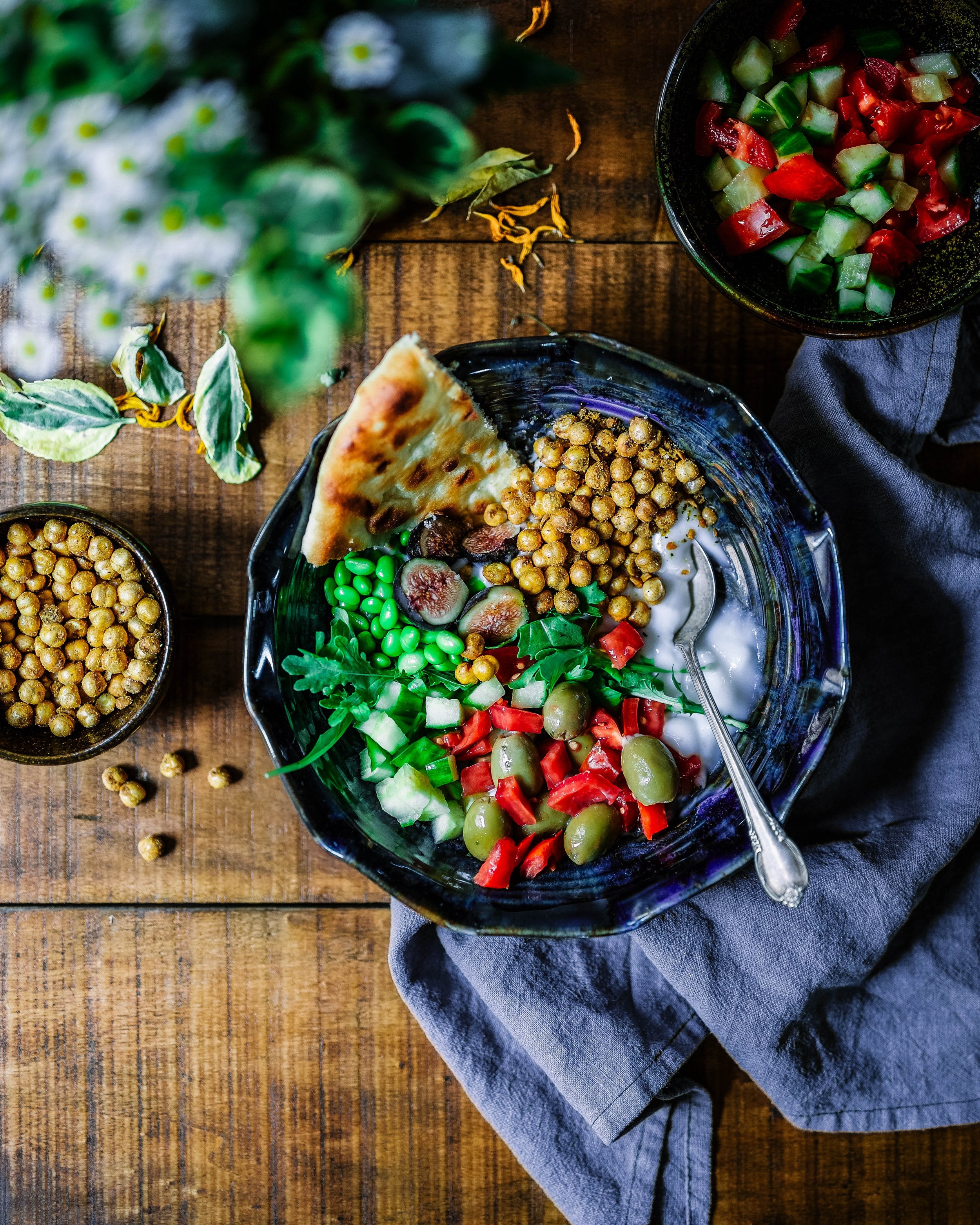
I hear a lot of the same thing regarding nutrition and pregnancy. You are all asking your providers about food, and really what people are being told is that they should eat healthily. What does that mean? That's where I can help. Knowing what will grow a healthy baby, what foods are nutrient-dense, and how to prepare meals and meal plans is one of the best and most important things you can do. I have found that most people don't know where to start, and worse, people are often told that as long they take their pre-natal vitamins, they should "be fine." What is important to note is that "essential vitamins and minerals are dietary components required in small quantities to support virtually all metabolic activity, including cell signaling, motility, proliferation, differentiation and apoptosis that regulate tissue growth, function, and homeostasis." Vitamins and minerals support every maternal, placental, and fetal interaction stage to enable a healthy gestation.
One of the most common deficiencies is iron, and there were even some studies that I came across that said that almost 40% of pregnant people had a prevalence of low serum iron concentration. Let's talk about foods that are nutrient-dense in iron. "The recommended intake of iron is 27 mg per day in pregnancy vs. 18 mg per day in non-pregnant women." Iron plays a vital role in red blood cell production and is essential as it supports your growing baby and placenta. Iron deficiency can increase your risk of premature birth and contribute to low birth weight. Iron supplements aren't always the best way to ensure that you are meeting your needs as the side effects are often undesirable, and of the people that did take the supplements, 89% stopped taking them due to the side effects. So, your best bet is to get as much as possible through your diet. The best source of iron that you can get is the liver. I know not many people are excited about that choice, but if your iron is low, it is probably your best bet. What are other foods high in iron? Red meat, game meat, oysters, sardines, dark meat, and poultry, If you are vegetarian or can't stomach some of the above choices, spirulina (a type of algae) is another option.
Another group of vitamins that we tend to see a high deficiency in is B6 and B12. Vitamin B6 is critical for your baby's developing brain and nervous system and helps the baby metabolize protein and carbohydrates. B6 is also helpful in managing your nausea or morning sickness. In a study out of the University of Michigan, some found relief by taking 10-25 mg of Vitamin B6 3x per day. (check with your provider to see if this is a good option for you). Sources of Vitamin B6 are Beef liver, tuna, salmon (fresh caught), fortified cereals, chickpeas, poultry, dark leafy greens, bananas, papayas, oranges, and cantaloupe. Vitamin B12 is vital for maintaining the health of your nervous system and is also essential for your baby's developing brain and spinal cord, forming healthy red blood cells, helping make D.N.A. and can help to prevent the risk of neural tube defects. In large part, B12 is found in large amounts in animal products, fortified foods, dairy products, eggs, and poultry.
Iodine. This one does not always get the attention that it deserves. According to one study, "iodine deficiency during pregnancy can cause maternal and fetal hypothyroidism and impair neurological development of the fetus. Iodine requirements are increased by 50% during pregnancy. In some cases, supplementation before or during early pregnancy eliminates cases of cretinism, increases birthweight, reduces perinatal and infant mortality rates, and even increases developmental scores in young children by 10-20%." (PubMed) Iodine is mainly found in animal-protein foods and sea vegetables. While some items like cereals, bread, and milk are fortified, there are more nutrient-dense choices. Seaweed, fish, shellfish, table salts labeled "iodized," eggs, beef liver, prunes, lima beans, and chicken are all sources of iodine.
A lot more goes into a nutrient-dense diet than eating healthy. That is just not sound advice. The other topic I want to address is that most people don't understand. How much do I need? What foods are nutrient-dense? What foods need to be paired together so that we can maximize absorption? These are all the questions we go through, personalized to your specific needs and wants, in my Pre/Postpartum Nutrition meetings.

Written by Holly Ohman
Doula/Childbirth Educator, Holistic Nutrition Practitioner, Breathandbirthmn.com
Holly is a birth doula (MCPCD), childbirth educator (CCCE), breastfeeding specialist (MBE), and Holistic Nutrition Practitioner, and is currently in a pre-med program studying to become a Physician’s Assistant. Holly owns Breath and Birth MN, which is a doula and holistic nutrition practice, where she serves families in the birth, and nutrition space. She is a busy mother of three boys, aged 20, 18, and seven. Two of her children play hockey, so if she is not studying, attending births, or working with birthing folks on increasing their nutrient needs, she can be found in various ice arenas throughout town, or enjoying time hiking with family and friends.
Holly is currently offering 30 minute complementary nutritional counseling sessions at Willow for our clients. These sessions would be great if you are interested in:
Learning more about foods that promote a healthy pregnancy
Food sources for protein/iron/folate/micro and macro nutrients
Maintaining healthy and appropriate weight gain in pregnancy
Affordable and nutritious options including recipes and grocery lists
Clients may sign up for a 30 minute in-person visit with Holly at the front desk.